Welcome to George Clooney Slept Here, the “IT” site for luxury travel! Pull up a Spazio lounge chair, pour yourself a glass of Krug Dlos du Mesnil 1995 and let us tell you what we’re all about.
Whether you just want to peek in on celebrities and their notorious indulgences or you’re ready to climb on through to the world’s most exclusive vacations, you’ve come to the right place.
It only makes sense to vacation where the A-list vacations. When you want a new great room for your mansion, you look to an architect. When only a pre-nup will do, you head straight to a lawyer.
When it comes to travel, what better experts than the unapologetically wealthy? With all their promotional junkets, film festivals and red-carpet appearances, celebrities not only rack up frequent-flier miles, but they have wallets big enough to do it with panche. Enjoy!!
September 10, 2010 psgroutComments Off on How the other half vacations
When you mention “the goat” in Door County, Wisconsin, you’re probably not referring to the “greatest (fill in the blank) of all time.” Although there are many who believe this nearly 80-mile peninsula that juts like a hitchhiking thumb into Lake Michigan is the all-time greatest travel destination with its 298 miles of coastline, 54 beaches and inspiring locally-owned, family-run businesses.
No, the goats of Door County are actual cud-chewing, bearded farm animals that graze on the roof of Al Johnson’s Swedish Restaurant in Door County’s Sister Bay. It all started in 1973 as a practical joke when Al’s friend Wink Larson released a goat named Oscar onto the roof of his newly-renovated 1949 diner. Oscar proved more effective than traditional marketing so Al, after, of course, returning the favor to Wink with a pig and a racoon, added a whole herd of goats to the restaurant’s grassy roof. Today, Al Johnson’s nearly two dozen goats appear on two popular goat cams and are reputed to listen to Wisconsin Public Radio when not serving as mascots.
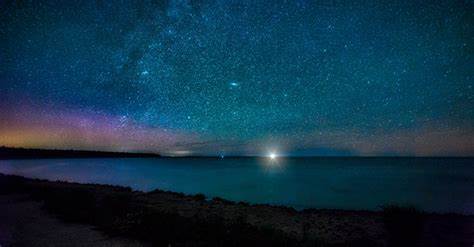
The goats are far from the only oddities to be found in this lively county, Wisconsin’s largest if you count the 1,888 square-miles of water. There’s an underwater hockey team, a weekly UFO Happy Hour, a rare 2300-acre Dark Sky Park (where you can still see stars by the millions) and historic homes that may have been the world’s first Airbnb’s. In the late 1800’s, when word first got out about this picturesque playground, hotels numbered less than the fingers on one hand, so private residences took in enthusiasts flocking in by ferry and passenger steamer.
Today, there’s no shortage of accommodations and restaurants (not to mention microbreweries, wineries, distilleries and painted truffle makers). What better way to experience them than with this Door County Selfie Scavenger Hunt.
Here’s how it works:
Snap a selfie of yourself at each of the following locations.
Share the photo to Instagram with the hashtag @222selfiescavengerhunt and @DoorCounty.
Each photo counts for 22 points with extra points for creativity.
The person with the most points wins. What do they win? Bragging rights and a G.O.A.T. vacay in what many call The Cape Cod of the Midwest.
Get set! Ready! Go!
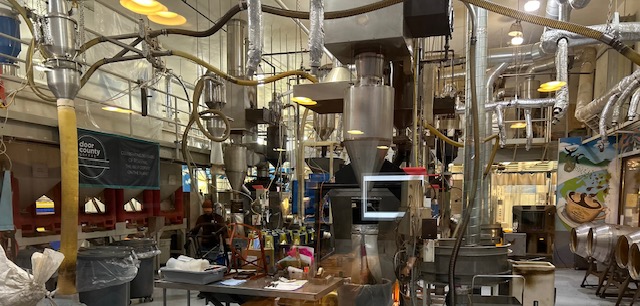
Bean there, done that. Snap a selfie in front of the huge café window that peers into Door County Coffee’s small batch roastery. You might even catch a glimpse of its 65 employees dancing to Rick Astley tunes, dressing in Flo and Jamie costumes or cooking up some other madcap merriment (it’s encouraged) while roasting 100 flavors of coffee — everything from S’Mores and Toffee Pretzel to Brownie Batter and Frosted Cinnamon Bun. Started 30 years ago by the inimitable Vicki Wilson, who set out to roast the world’s best coffee from what she considers the world’s best place to live, Door County Coffee has a café, gift shop and this guarantee: if the caffeine doesn’t get you buzzing, the contagious energetic vibe will. 5773 Highway 42, Sturgeon Bay 800.856.6613.
2. Too cool for school. Take your “school photo” in front of one of two Door County schoolhouses that have been repurposed into less scholarly, but perhaps more invigorating venues. Bailey’s Harbor Schoolhouse Inn, a primary school built in 1917, is now a charming, seven-suite inn. It’s run by the fifth generation of Peils, all of whom attended school there before they transformed it into one of Door County’s most unique places to bunk. Its report card: straight A’s thanks to its modern amenities combined with gorgeous antiques, fresh flowers (it’s pretty obvious Caleb, Kristen and Ida are rabid gardeners) and hosts with a reputation for going the extra mile. 8091 Guy Street, Bailey’s Harbor, 920.839.5353
While former teachers may not approve, the two-room Carlsville schoolhouse has been reincarnated as both the Door Peninsula Winery and Door County Distillery where, sorry kids, you have to be 21 to imbibe in its fruit-forward wines and award-winning malt whiskeys. Since 1974, the old Victorian schoolhouse and its thick basement walls has provided perfect temperatures for storing the more than 60 wines including Blackberry Merlot and Cranbernet (cranberry and Cabernet). Although the bell tower is still there, the schoolhouse has been expanded twice, offers two tasting bars and gives daily tours. 5806 State Highway 42, Sturgeon Bay, 800.551.5049
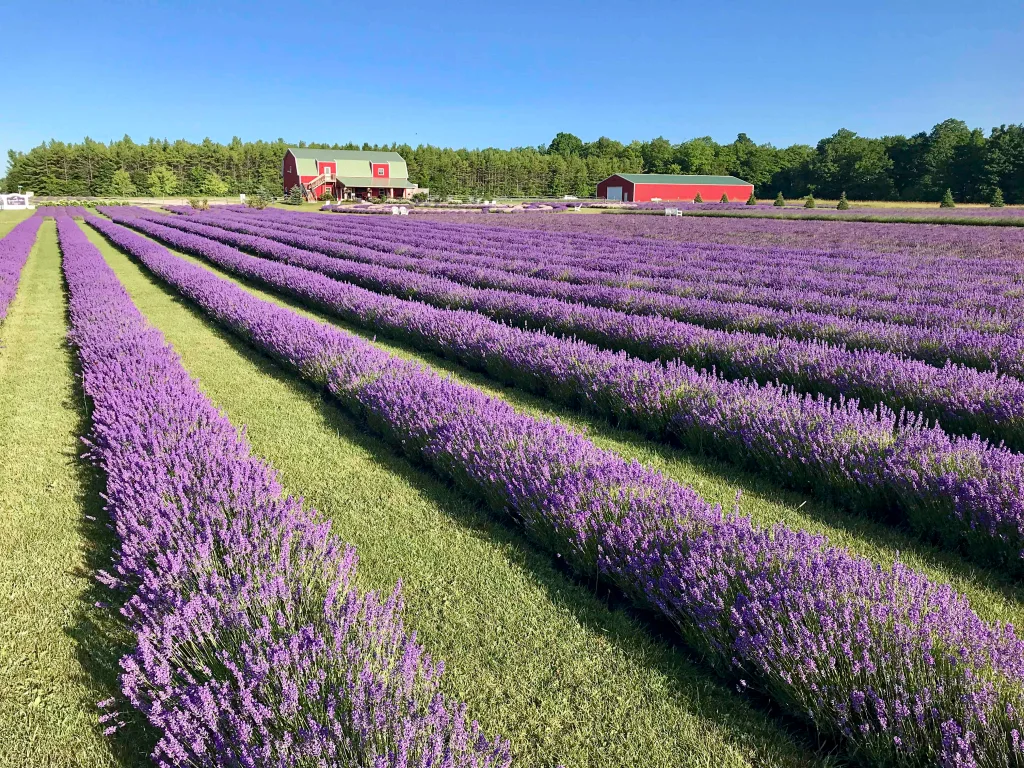
3. Lavender fields forever! Forget must-see. This selfie involves a must-smell as you pose with 20,000 lavender plants. Wear purple. At Fragrant Isle, a 21-acre lavender farm on Washington Island, you’ll understand what Taylor Swift meant by her 2022 hit, “Lavender Haze.” It’s a term used in the 50’s to describe the spell of unrequited love. Only here, your love will be returned as you bask in the scent of 12 types of culinary and aromatic lavender. Launched in 2013 by a former Parisian, this farm offers all things lavender, steam-distilled on site in copper stills. 1350 Airport Road, Washington Island, 920.847.2950 Above photo credit: Edgar Anderson, President / CEO of Fragrant Isle.
4. The bitter pill with benefits. Show us your Bitter’s Club membership card. According to Guinness Book of World records, Nelsen’s Hall on Washington Island is the world’s largest purveyor of Angostura Bitters, selling some 10 thousand shots a year. Every day, people trek to the tiny tavern to receive their official card, stamped by the bartender’s thumb from the dregs of their shot glass and entitling them to “mingle, dance, etc. with other islanders.”
As the longest continuously running bar in Wisconsin (circa 1899), Nelsen’s Hall and its owner Tom Nelsen came up with a clever loophole to get through Prohibition. After the Volstead Act passed in 1919, Nelsen heard that alcohol could still be purchased and dispensed as long as it was for medicinal purposes. So he got a pharmacist’s license and began “prescribing” the 90-proof Angostura bitters to –a-hem–“treat stomach disorders.” According to legend, Nelsen himself drank a pint of the Venezuelan concoction every day, ingesting his last pint at age 90 right before he died.
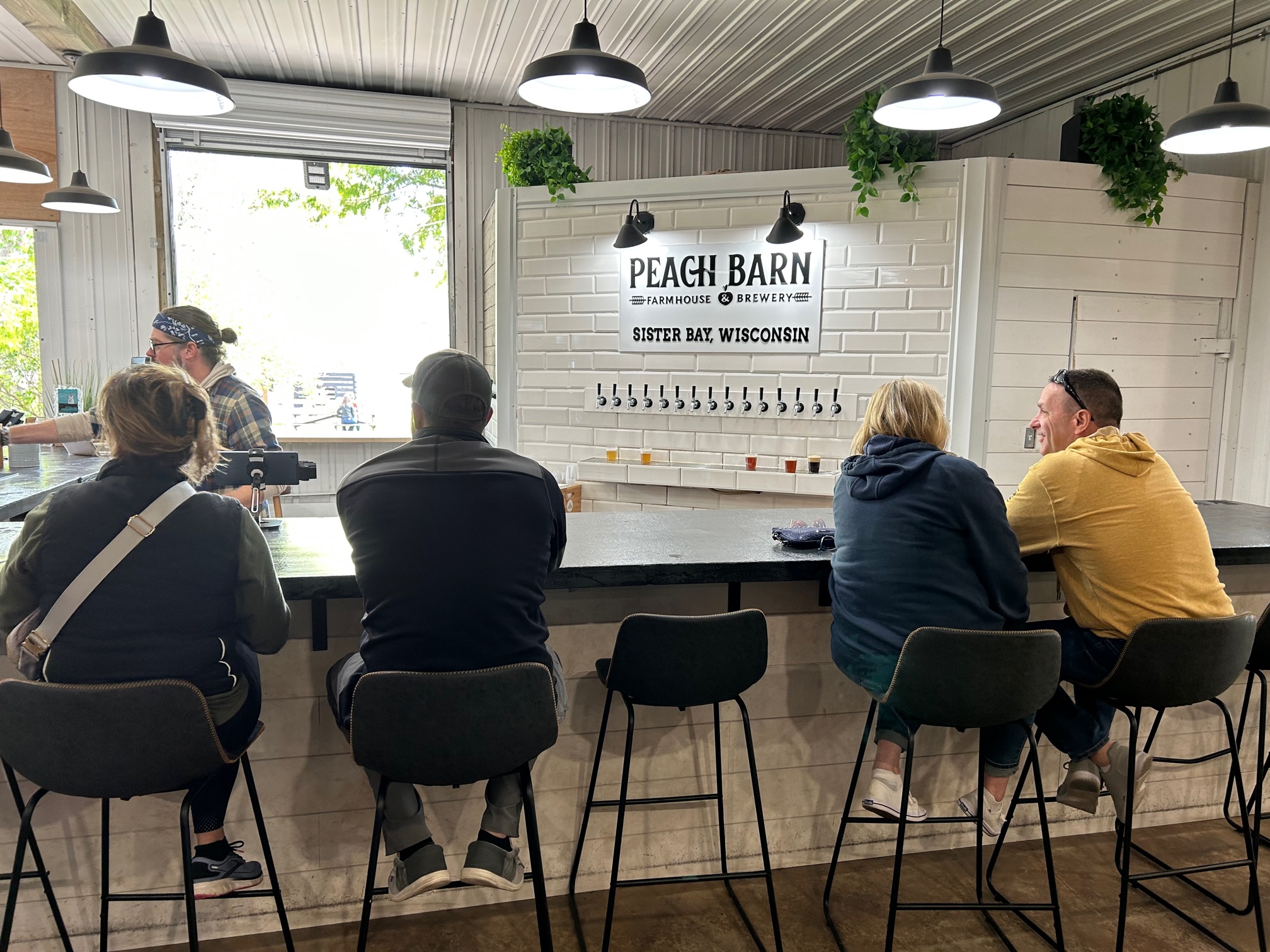
5. Poetry in a can. Get a selfie gulping a bright green Troll Hunter seltzer while swinging in one of Peach Barn Brewery’s hanging chairs. Extra points if you recite a poem, encrypted onto each of the microbrewery’s cans and bottles. When Sarah and Jason White bought their 1.5-acre property in Sister Bay, they had one goal. To come up with a small business that somehow made enough to pay the mortgage. Maybe they’d start a coffee shop. Nope, said the village commission. How about selling peaches? After all, they already ran a successful business trucking in peaches to Denver from Colorado’s western slope. A big fat N.O. Well, what about boat storage? Same answer. Finally Jason, who grew up in Fort Collins and had long been a home brewer, suggested opening a microbrewery in the old auto-body shop in the back of the property. Now that, said the village commission, is an idea we can get behind.
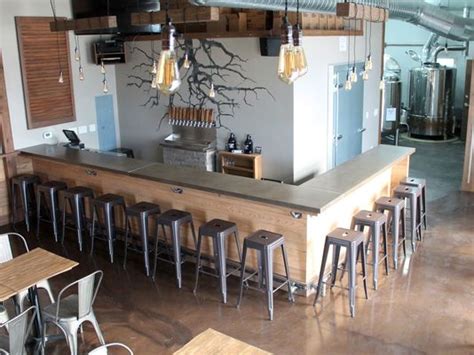
Open now for two years, Peach Barn Farmhouse & Brewery offers a creative lineup of microbrews and seltzers, a fun boho vibe with inspiring indoor and outdoor seating and games for kids of all ages.
The names of the microbrewery’s offerings give subtle hints about the owners’ backstory. Gypsy Mermaid Mango Margarita is a nod to Sarah and Jason’s three young daughters and Berry Bonds and Ashmen Amber suggest Jason’s earlier career with the Baltimore Orioles.
The When Harry Met Sally Farmhouse Ale pays homage, not to Billy Crystal and Meg Ryan, but to Sarah’s grandparents, Harry and Sally, who bought property in Door County 64 years ago. 2450 South Bay Shore Drive, Sister Bay.
6. Odin and Thor would feel right at home. Pose with one of the dragon heads outside Washington Island’s medieval-designed Stavkirke, a fairytale chapel that seats 38 people. Nestled in the forest and modeled after a 1150 A.D. church in Borgun, Norway, it was built with classic tongue and groove joinery, using wood trunnel dowels. And, yes, it looks like a Viking ship. At one time, there were 1300 Stavkirkes throughout Norway and Sweden. Today, a mere 28 remain, making this Door County replica even more important to shoot and capture on your selfie journey. 1763 Town Line Road, Washington Island 920.847.2341.
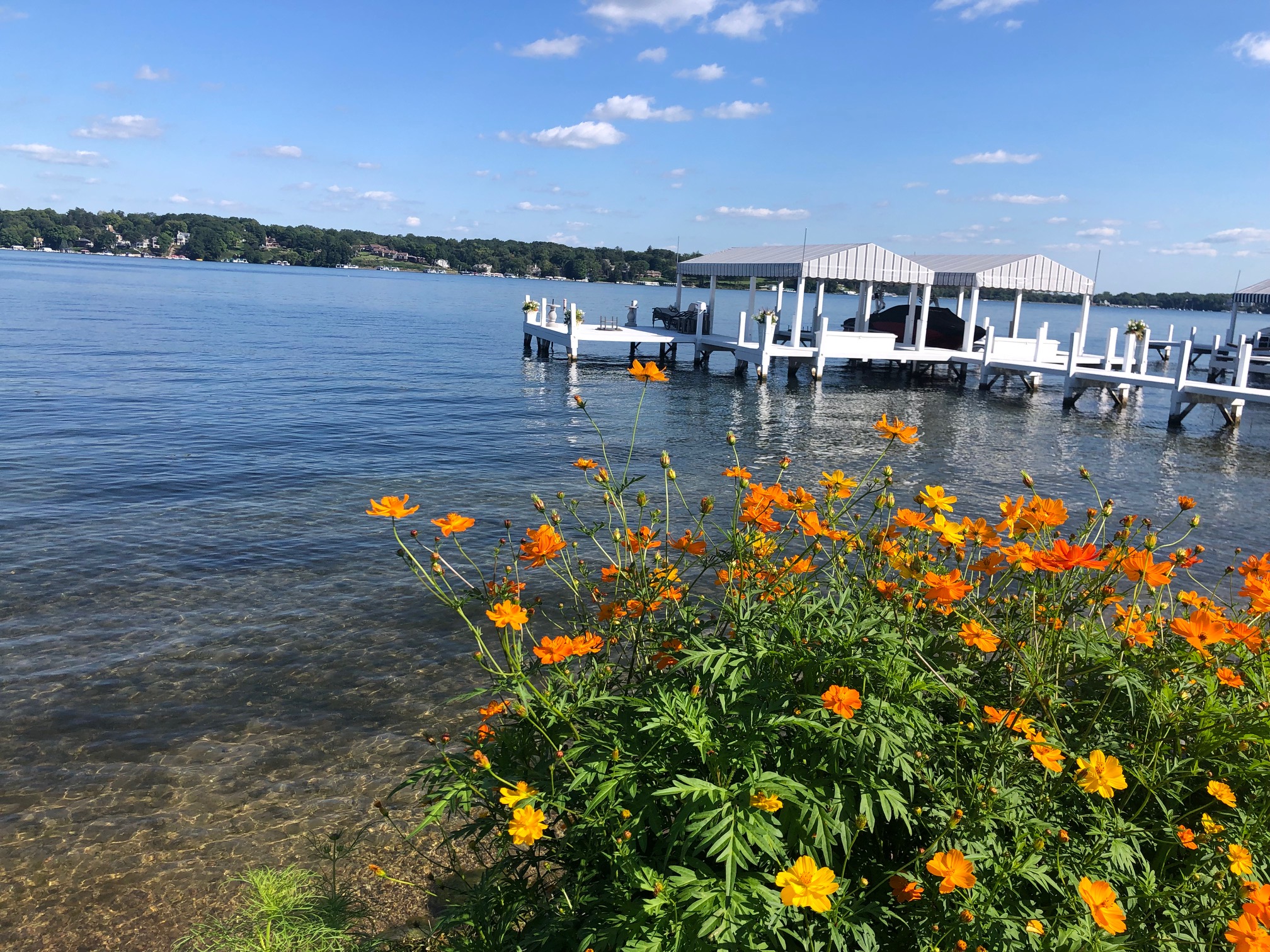
Whether you’re heading to Lake Geneva to gawk at the century-old mansions and estates, to pay homage to Gary Gygax (he’s the inventor of Dungeons & Dragons who lived there most of his life) or to frolic in the sparkling, spring-fed waters of Geneva Lake, don’t miss the first ever 222 Lake Geneva Selfie Scavenger Hunt.
Here’s how it works:
1.) Snap a selfie of yourself at each of the following locations.
2.) Share the photo to Instagram with the hashtag #222selfiescavengerhunt and @visitlakegeneva
3.) Each photo counts for 22 points with extra points for creativity.
4.) The person with the most points wins! What do they win? Bragging rights and a fabulous vacay around the charming shores of Geneva Lake.
Get set! Get ready! Go!
1. Snap a photo in front of the secret getaway door in Maxwell Mansion’s Underground Speakeasy. You’ll need a top-secret password (shhh!) to enter this subterranean speakeasy, hidden beneath Lake Geneva’s oldest mansion. The historic estate, originally called “The Oaks,” was built, like most of Lake Geneva’s Gilden Age mansions, as a summer home, this one for prominent Chicago surgeon, Dr. Philip Maxwell. Now a snazzy boutique hotel, the Maxwell Mansion (circa 1856) has an 1880’s Apothecary that serves magnificently-creative craft cocktails, a bocce ball court, outdoor fireplaces and 28 rooms, one of which hosted General Ulysses S. Grant. Although we probably shouldn’t let the cat out of the bag, as of this writing, the secret password, which you’ll whisper to the bouncer through a small sliding window on the front door is: Jazz Hands. https://www.staymaxwell.com
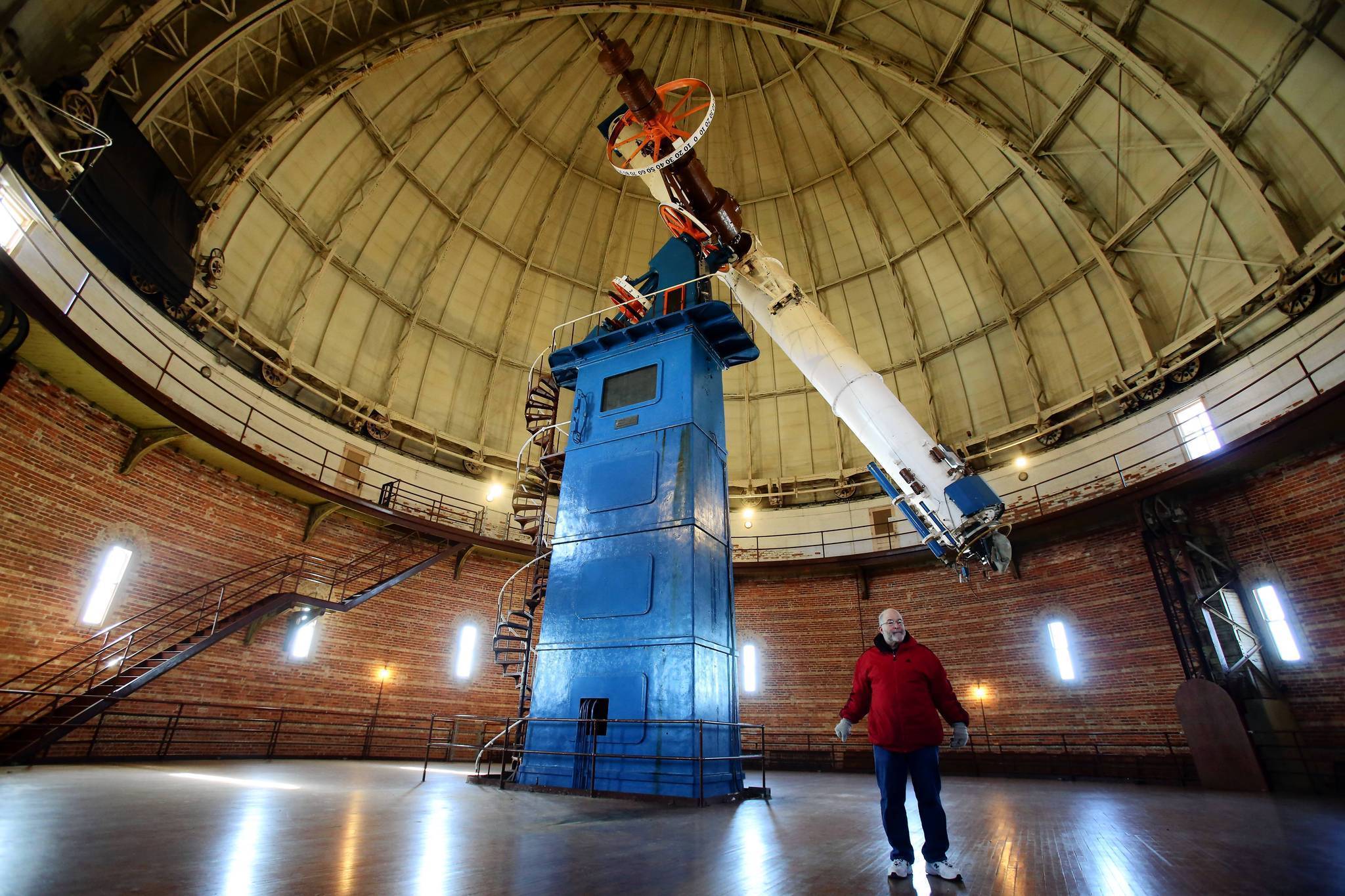
2. Strike a pose with Albie Einstein inside the grand Beaux Arts Yerkes Observatory. In 1921, on the famous physicist’s first trip to the United States, he had two requests. He wanted to see Niagara Falls and he wanted to visit Yerkes Observatory. The Yerkes Great Refractor, introduced in 1897, is to this day the world’s largest refracting telescope. It stands 63-feet tall, weighs 19 tons and sits atop the world’s largest elevator. A virtual who’s who of astronomy has surveyed the cosmos through this telescope that was first to introduce real time photography of outer space to the general public. Until that time, solar systems could only be imagined through speculative drawings and graphs. It was at Yerkes that Edwin Hubble first photographed evidence of the expanding universe, that Sherburne W. Burnham cataloged 13,665-star systems and that Carl Sagan and Nancy Grace Roman, NASA’s first Chief of Astronomy, did their graduate work. https://www.yerkesobservatory.org/
3. Get your Tarzan on from one of 5 sky bridges at Lake Geneva Zipline and Adventures. Whether you make it down all nine (yes, NINE!) ziplines or climb to the top of all three spiral staircases or survey all 100 acres of this beautiful section of Wisconsin woods is up to you. Bonus points for letting out a hefty Tarzan yelp while snapping your treetop selfie. https://www.lakegenevaadventures.com/
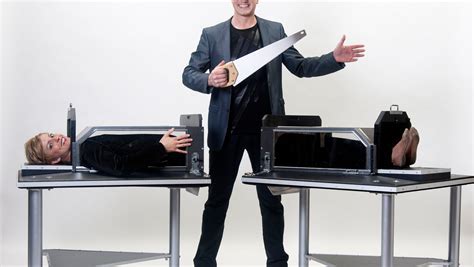
4. Quick! Snap a selfie with the Tristan Crist’s Harley-Davidson–before it disappears. You’ll have about 2 seconds before magician Tristan Crist, recently named Master Illusionist of the Year by the International Magicians Society, will make the life-size Harley vanish into thin air. The good news is you’ll get a second chance when he makes it reappear over the entryway to his 175-seat magic theater. At this often sold-out show, you’ll watch the dazzling entertainer make objects levitate, cut his wife in half (and, thankfully, then put her back together) and produce a real helicopter right on stage. https://lakegenevamagic.com/
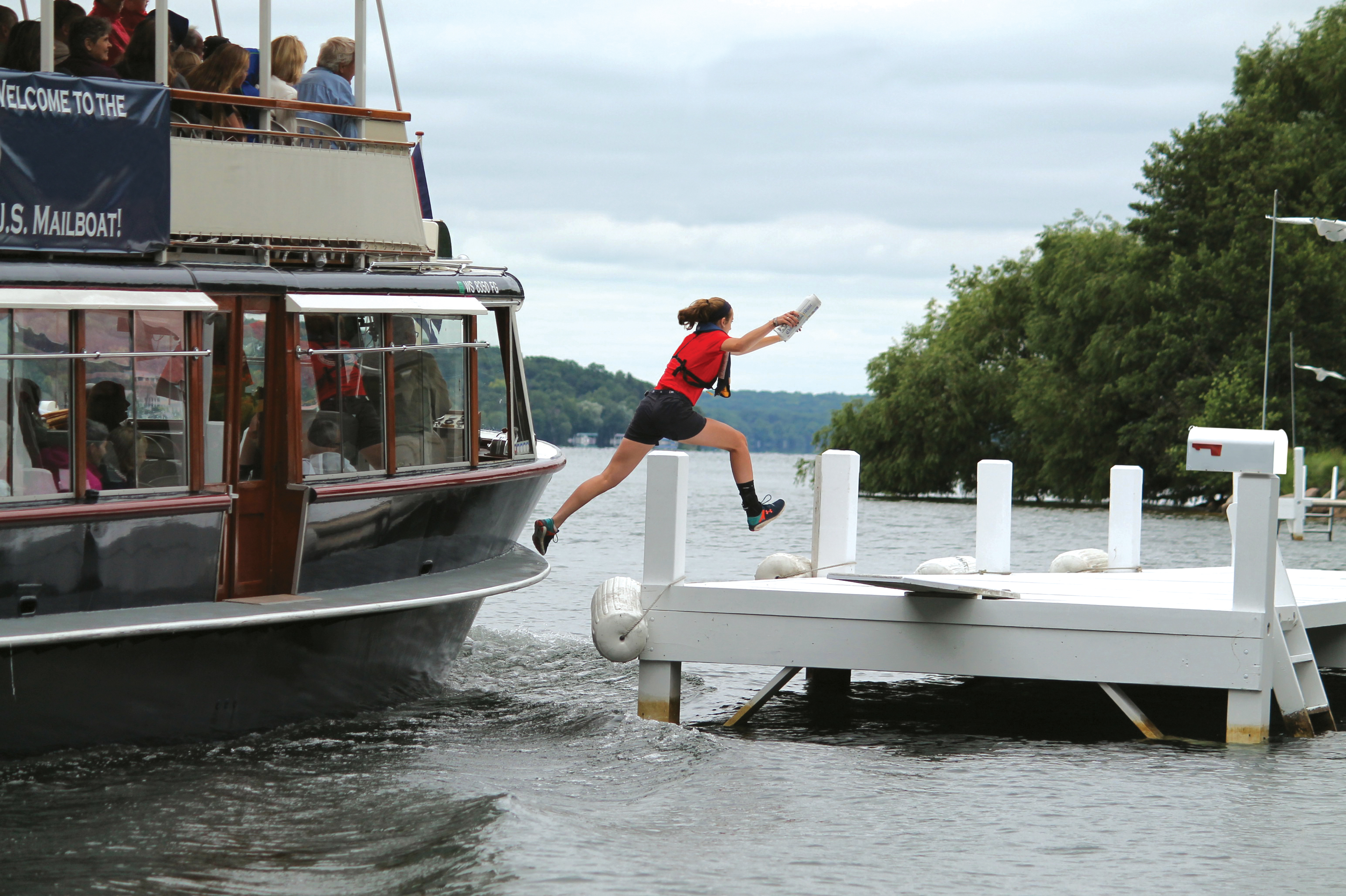
5. Say cheese in a selfie with a local celebrity mailboat jumper. Lake Geneva is one of a handful of places where the U.S. mail is still delivered by boat. Local teens try out each spring to win one of six coveted mail jumper spots. Criteria for a successful mail jumper includes being able to leap off the boat, hand-deliver the mail and jump back on before the US Walworth II, the current mailboat (it never stops), gets too far away to leap back on. Tourists can ride along, cheer for the mail jumpers and even get their postcards cancelled. US Mailboat Tour Lake Geneva WI | Lake Geneva Cruise Line (cruiselakegeneva.com)
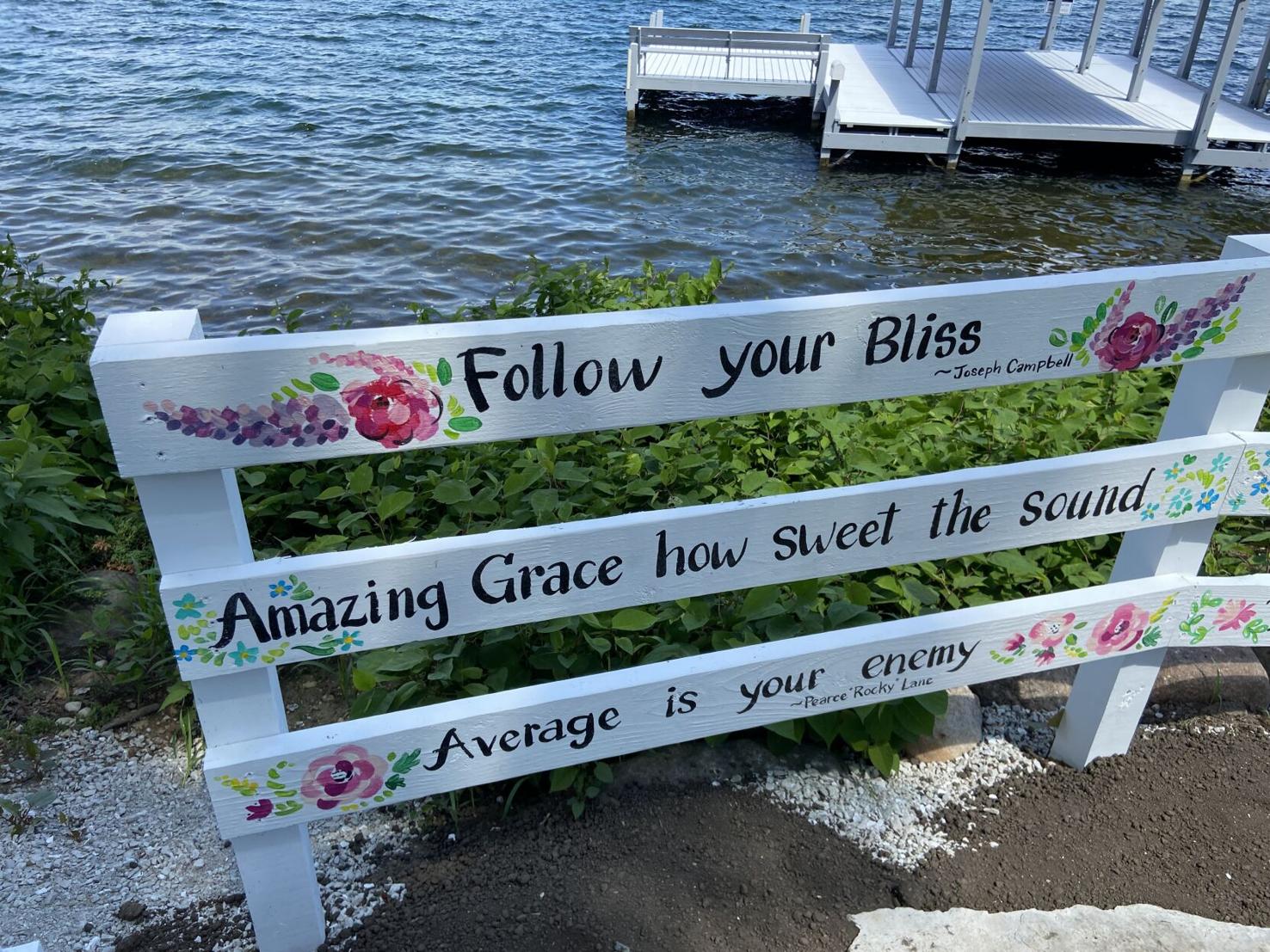
6. Photograph yourself ringing the bell on the recently-reopened Expect a Miracle trail. Carolyn Gable was a 30-something single mom when she started her own freight company. Thanks to uncommon chutzpah and a solid belief in her dream, she was able to turn New Age Transportation into a multi-million dollar company that enabled her to buy one of Lake Geneva’s 15,000-square foot mansions. To share her good fortune and inspire others to also follow their dreams, she turned her section of the 21-mile foot path that circles Lake Geneva into what she calls the Expect a Miracle Path. There are all kinds of inspiring quotes (What would you do if you knew you couldn’t fail? The best way to predict the future is to create it!) a guest book to sign and a bell to ring once you shout your dream out into the world.
7. Get a photo in front of the female-shaped lake at Hugh Hefner’s first Playboy Club Resort. The bunny hutch, the bubble machine and the disco ball are long gone, but the 1300-acre property where Hugh Hefner opened his first Playboy Club Resort in 1968 is alive and kicking. It’s now called the Grand Geneva Resort & Spa, and there’s still a ski resort (complete with lodge shaped like pair of interlocking snowflakes), two championship golf courses and, of course, the spa. Dean Martin, Sammy Davis, Jr., Bob Hope, Tony Bennett and Liza Minelli are just a few who graced the glitzy resort’s cabaret stage. Arnold Morton (who later started Morton’s Steakhouse) ran the resort operations and recording artists from John Mellencamp and Cheap Trick to Guns ‘N Roses and Red Hot Chili Peppers recorded in the on-site recording studio. https://www.grandgeneva.com/
In our homogeneous age where every city has a Chili’s and a Denny’s, every hotel looks like a clone, it’s a joy to find a city and especially a hotel that isn’t afraid to rock its own distinctive Bankhead Bounce and Booty Dew.
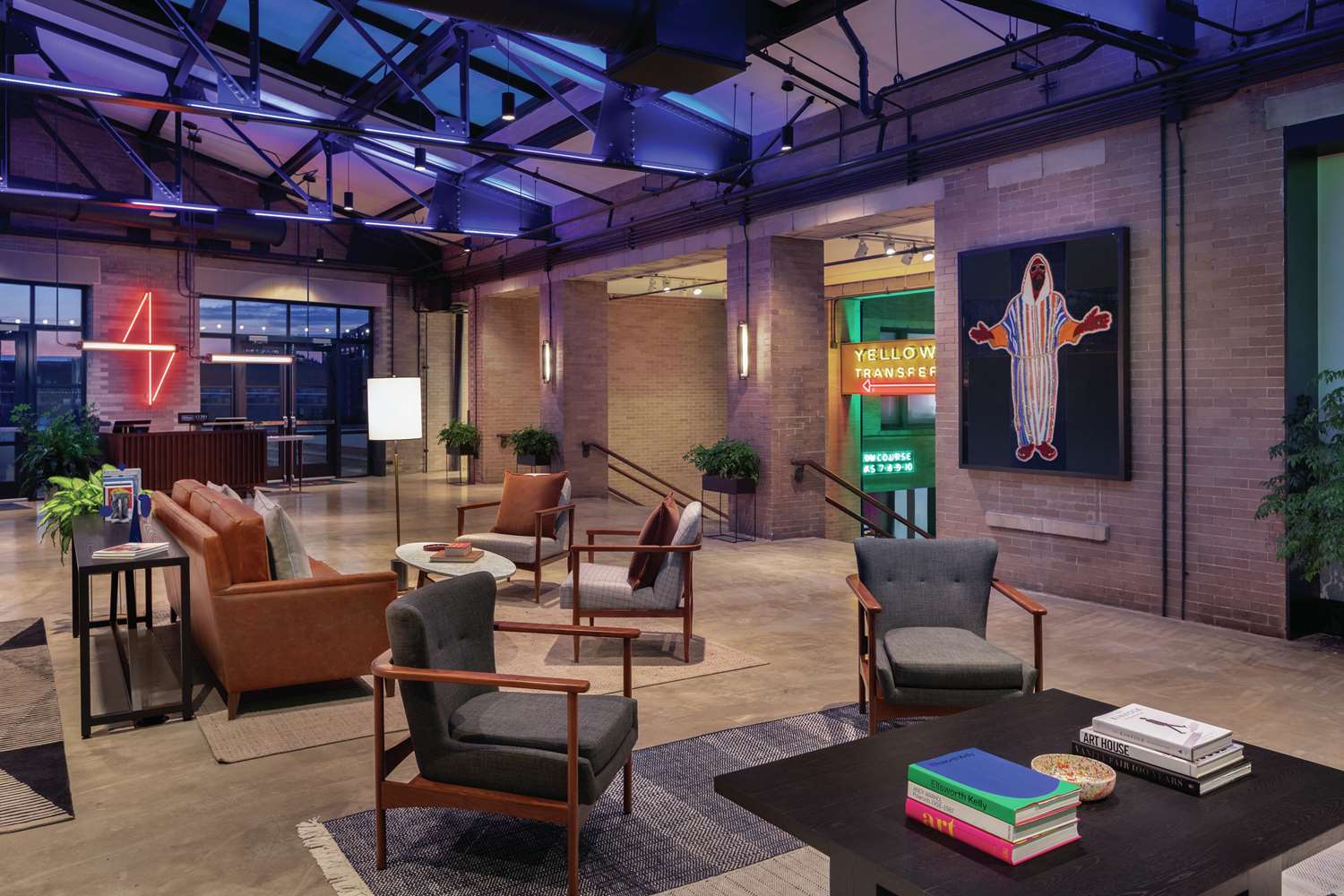
Central Station, a boutique hotel on South Main in Memphis, Tennessee, proves my motto that anything can be used to make art.
Even a mostly vacant train station whose demolition (or not) was a contentious topic at city commission meetings until 2019 when a $55 million facelift turned it into a singular hotel/art museum/historic showcase.
Here are five reasons why it’s the best place to bunk when visiting Memphis.
1. Location. Location. Location. This adage for real estate definitely applies here. Sitting smack dab in the Arts District, Central Station is within walking distance of Beale Street, the Blues Hall of Fame, the Orpheum, Earnestine & Hazel’s and the Lorraine Hotel which turned Room 306 and its tragic history into an inspiring National Civil Rights Museum. It could solve a lot of our current educational arguments if this poignant museum was required visiting for every school child in America.
2. It doubles as an art museum. A life-size hand-beaded portrait of Isaac Hayes is the first thing to catch your eyes in the hotel lobby. Created by Mardis Gras artist Demond Melancon, the beaded Hayes in his iconic hoodie from his 1971 “Black Moses” album is a forerunner of the unique art that lines the hotel’s walls and hallways. Look for crayon folk art drawings from blues musician, Henry Speller, Andrew Gray’s “I AM A MAN” and Felicia Wheeler’s mirror portraits of Tina Turner, Aretha Franklin and Ann Peebles. Every guest room has a Jamie Hamon photograph taken on a train trip from New Orleans to Chicago, the one remaining route still servicing the Amtrak station on the hotel’s second floor.
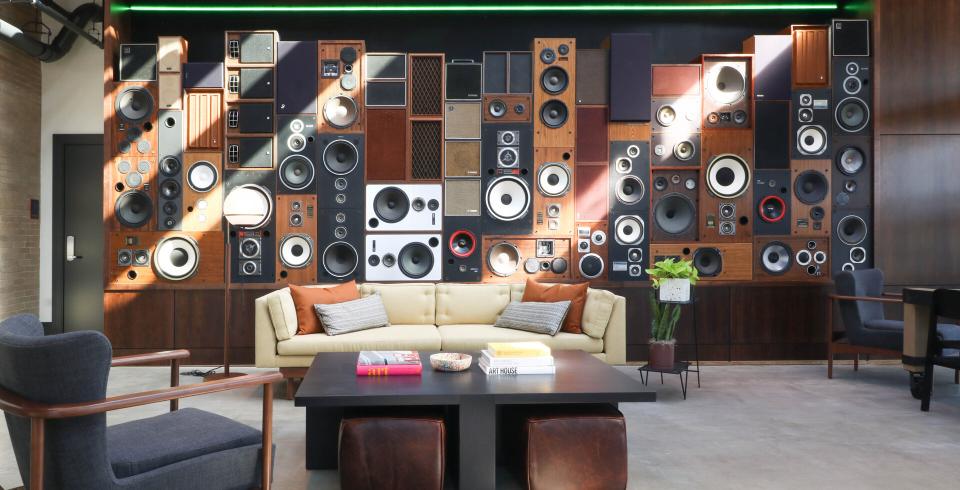
3. It offers daily curated music. It’s not everywhere you find a 30-foot wall of vinyl records or a dedicated listening room or a DJ named Jone$ who spins the collection’s 40,000-plus Memphis tracks from a booth made out of the massive organ frame once played by Elmertha Cole, Booker T. Jones’ piano teacher. Eggleston Works, a Memphis designer of custom speakers (they even have a physicist on staff to insure authentic sound) outdid themselves in 8 & Sand, the cocktail lounge that hosts regular “Live at the Tracks” performances.
4. History drips from every nook and cranny of the century-old train station. Johnny Cash and B.B. King are just two of the stellar somebodies that punched their ticket at this railroad station that once averaged 50 daily arrivals and departures. The railroad theme is carried throughout the hotel from its carpet to its signage to its specialty cocktails. But my favorite piece of history is the adjacent Earnestine and Hazels, a notorious dive bar that serves the world’s best Soul Burger and has a haunted jukebox. As the story goes, the building was once a church, a brothel and a pharmacy with a beauty salon on the second floor.
After owner Abe Plough invented hair straightener and the suntan lotion that became Cooppertone, he bequeathed the place to the two beauticians upstairs. Cousins Earnestine and Hazel parlayed it into a restaurant and speakeasy that entertained B.B. King, Sam Cooke, Bo Diddley, Chuck Berry, Ray Charles and Tina Turner after local gigs ended. As for that haunted jukebox, it allegedly just starts up at odd times, often playing the very same tune you just hummed or thought about.
5. You get room service from James Beard chefs. Thanks to Andrew Ticer and Michael Hudman, five-time James Beard nominees, who opened their fifth Memphis restaurant (it’s a French brasserie called Bishop) in Central Station Hotel, all 123 rooms can simply pick up their phones and order say Parisian gnocchi or duck cassoulet or Tarte Flambee.
John Fogerty couldn’t have been more wrong. “Being stuck in Lodi” was one of the highlights of my travel schedule this year.
Not only is Lodi the largest wine appellation in California (it grows more grapes than Napa and Sonoma combined), but it’s a cinch to get to, is a thousand times less pretentious and makes wine that rivals and often surpasses its more celebrated (and more expensive) brethren. Take it from Ashton Kutcher and Mila Kunis who chose to spend part of their 2015 honeymoon in this Central Valley wine region.
And to prove just how misleading Fogerty’s “Oh lord” lyric is,” I offer this selfie scavenger hunt. The first person to post selfies of themself and the following six Lodi “must-see and do’s,” wins a copy of my three National Geographic books on meaningful vacations. To post your selfies, simply go to my 222 Travel Scavenger Hunt FB page here.
1. Get a selfie with one of the 12 exotic birds at Wine & Roses. Most people come to this luxury resort for the food (two-time James Beard winner Chef Bradley Ogden ditched San Francisco to oversee the culinary offerings here), the spa or the laid-back vibe of this gorgeous seven-acre, 66-room resort. Ashton and Mila aren’t the only celebs who parked at Wine & Roses while exploring Lodi’s 85 plus local wineries. Will Smith has also signed the guest book and enjoyed the nightly live music. As for the parrots, cockatoos and other exotic birds, owner Russ Munson who, along with his wife Kathryn, transformed this historic 1898 Towne House into this ooh-la-la resort, is an amateur ornithologist.
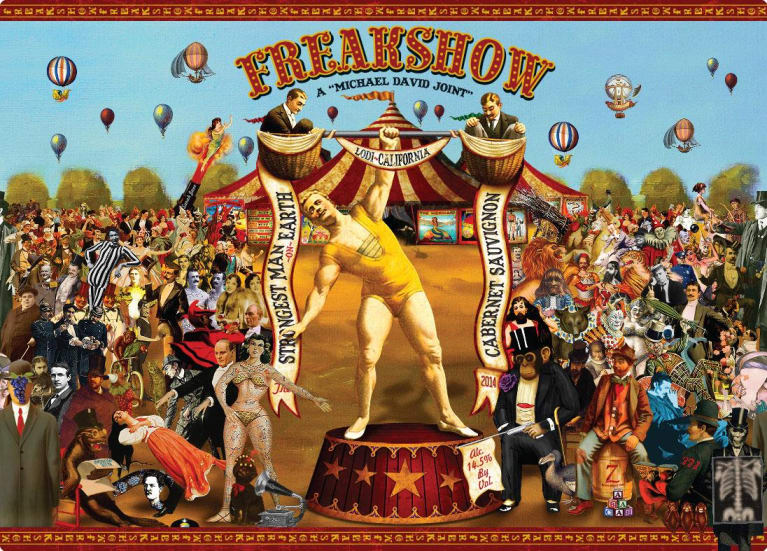
2. Get your freak on at Michael David. You’ve probably heard of this winery’s 7 Deadly Zins (this award-winning Zinfandel was recently sold to a giant international distributor) or its winemaker (Adam Mettler, who Wine Enthusiast pegged as 2018 winemaker of the year), but did you know it also sells ginormous, salivation-inducing fruit pies and the best green chile chicken enchiladas this side of the Rio Grande? Despite San Joaquin County law forbidding wineries to also offer restaurants, Michael David’s Farm Café was grandfathered in, mainly because they’ve been dishing up pies longer than there has been a wine commission. For this selfie, simply download Michael David’s freak show app, take your picture as a bearded lady or a trapeze artist or one of the other circus freaks. Who knows you might even make it onto a label of one of their wildly-popular Freak Show wines? As marketing guy, James Boore says, “We make serious wines in not so serious bottles.”
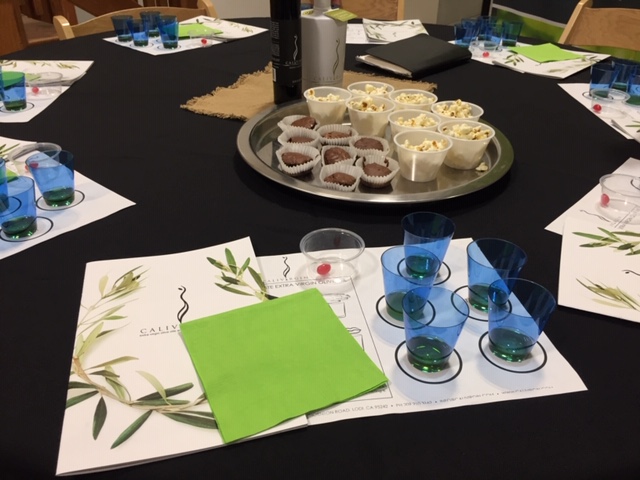
3. Snap a selfie with your jelly bean at a Calivirgin olive oil tasting.Jelly bean? Say what? Before you so much as sample one of Calivirgin’s lime jalapeno or blood orange or white truffle-flavored olive oils, you’ll be asked to hold your nose and sample a tiny red jelly bean. It proves your palate is greatly influenced by your sense of smell. This family run olive oil biz that offers weekly olive oil tastings and tours of the organic estate and mill also proved to me that most of what passes for olive oil is an inferior and dull imposter. Maybe that’s why this family’s fresh, fruity olive oils have already pulled down an astronomical 578 awards.
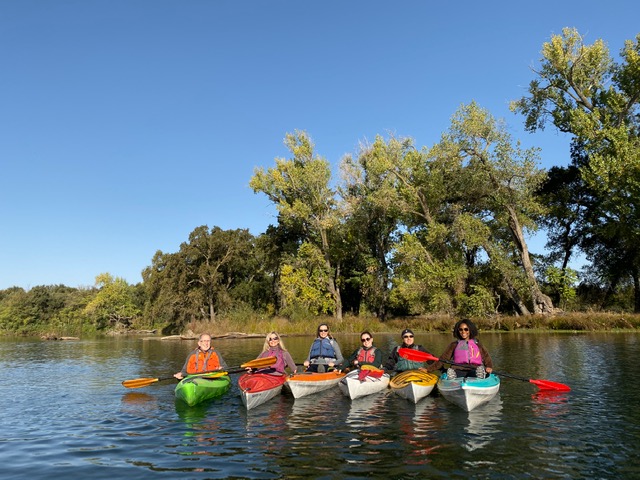
4. Get a selfie at the Lodi Lake Boathouse. Dan Arbuckle, the evil genius behind Headwaters Kayak, loves nothing more than introducing newbies to the pleasure of paddling the scenic waters of Lodi Lake and Mokelumne River. He and his young, friendly staff can put you in touch with local paddling clubs, lead you on spectacular moonlight paddles, offer free instruction if you have your own boat or rent you one if you don’t. Thanks to Arbuckle’s popular YouTube channel which has more subscribers than the town has population, his reputation goes way beyond the Central Valley paddling community. Extra points if your selfie captures the swimming deer.
5. Get creative in a selfie with a wine you’ve not yet tried. Cab Schmab! Zin Schmin! Because farmland in the Lodi appellation is a whole lot cheaper than farmland in say Napa, winemakers are free to experiment with different varieties of grapes and innovative techniques for making wine. Lodi winemakers have no reason to play it safe. A good bet for claiming your selfie with a never-before-sampled wine is Bokisch Vineyards, recently proclaimed Winery of the Year by Visit Lodi! Markus and Liz Bokisch, from their 400-acre, all-organic estate, have introduced wine lovers to more than a dozen award-winning Iberian grape varieties from Albarino and Garnachas to Tempranillo and Graciano. Since first planting in 1999, the Bokischs have been at the forefront of the sustainable grower movement with their two certified organic vineyards, Terra Alta and Las Cerezas.
6. Lose the helmet for this selfie of you on a bike on one of Bike Lodi’s 22 really fun, really flat routes. Whether you want to end up at winery (I ended my tour at Oak Farm Winery where I was greeted by Bernie, the winery mascot) or head to the wetlands of the Cosumnes River Preserve, it’s a given that you’ll be cycling through stunning wine country with what has to be some of the nicest volunteers in the world. In addition to the many well-thought-out trails, Bike Lodi volunteers sponsor bike rodeos, offer free bike valet services and host the annual Giro D’Vino bike tour.
Can’t wait to see the excited looks on your faces in your Lodi Scavenger Hunt selfies which you can upload here.
At pumpkin patches throughout America, families are looking for the best jack-o-lantern varieties—green stems and no soft spots, according to Martha Stewart.
But in Clayton, New York, pumpkin lovers use a different criteria. They’re searching for heavy, thick rinds so their pumpkins can withstand being catapulted, hurled or slingshot out into the St. Lawrence River. Prizes and reputation, after all, are at stake.
Autumn in the 1000 Islands is heavenly anyway–fewer crowds, sun-lit cruises to fairytale castles, lighthouses and maritime museums, but when you add in Punkin’ Chunkin’, the annual high-stakes pumpkin launching competition on October 19, what could possibly excuse a tourist’s absence?
Especially now that Delaware’s long-running World Championship Punkin’ Chunkin’ (WCPC) shuttered their competition a couple years ago after logistical problems, a collateral injury and a lawsuit.
In Clayton, these slight inconveniences have been avoided thanks to the 17-point safety guidelines that include, among other things, the wearing of hard hats, the sounding or air horns and rigid test firings of the hand-built catapults and trebuchets the day before.
This quirky event, one of 1000 Island’s premier events, also includes a barbecue competition, a Farmers Market and wood carving.
While on the banks of the mighty St. Lawrence, stop in at 1000 Islands Harbor Hotel, an AAA Four Diamond hotel that’s within walking distance of everything in the charming community of Clayton.
On August 21, 1941, Frank Sinatra played the Pier Ballroom in Celoron, New York for the whopping price of $2.50 per couple. For 60 years, crowds came by trolley and steamship to this popular Moorish-style dance hall on the southwestern shore of Chautauqua Lake that also boasted the world’s largest Ferriss Wheel and a roller coaster that zipped out over the water.
Eventually, the ballroom burnt down, the ten-story Phoenix Wheel was dismantled and this prime lakefront property, except for a few fans snapping selfies with the infamous “Scary Lucille Ball” statue, was largely forgotten.
Until now.
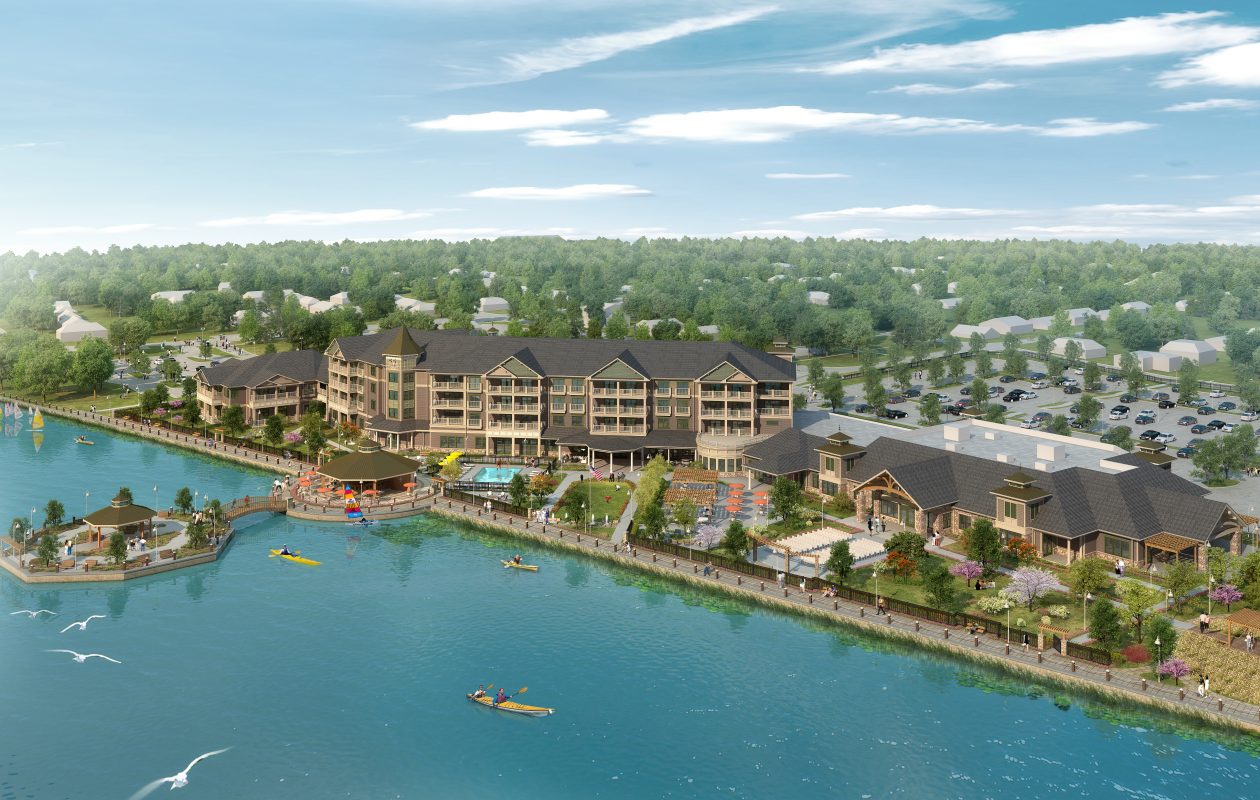
The new Chautauqua Harbor Hotel, evoking the grand hotels of yesteryear, is breathing life into this beautiful nine acres of Celoron shoreline. With 135 rooms and stunning views of the lake, this Four-Diamond offering even features some of the park’s old carousel horses at their outdoor bar.
The Golden Girls, the hotel’s three concierges who grew up here, moved away and returned for their beloved hometown’s renaissance, have loads of fascinating stories and can steer guests to the tiny childhood home of Lucille Ball. As for that Scary Lucy statue, it’s still there, much to the embarrassment of locals who started a FB group in 2012 to protest, but luckily a new statue that actually looks like the First Lady of Comedy has been erected nearby.
Move over, drunken renditions of “Purple Rain.” The hottest new karaoke bar has neither music, nor beats.
Rather, it’s karaoke for aspiring comics. At Jamestown, New York’s $50 million National Comedy Center, visitors can take the stage, grab the mic and try out already-successful comedy bits by their favorite comedians, from Ellen DeGeneres to Dave Chappelle. Like its musical cousin, comedy karaoke displays lines on a screen and even adds tips on when to pause and when to wait for a laugh. Or not.
This real stand-up lounge (there’s even alcohol to assuage potential embarrassment) is one of 50 interactive exhibits at the museum recently designated by Congress as an official cultural institution.
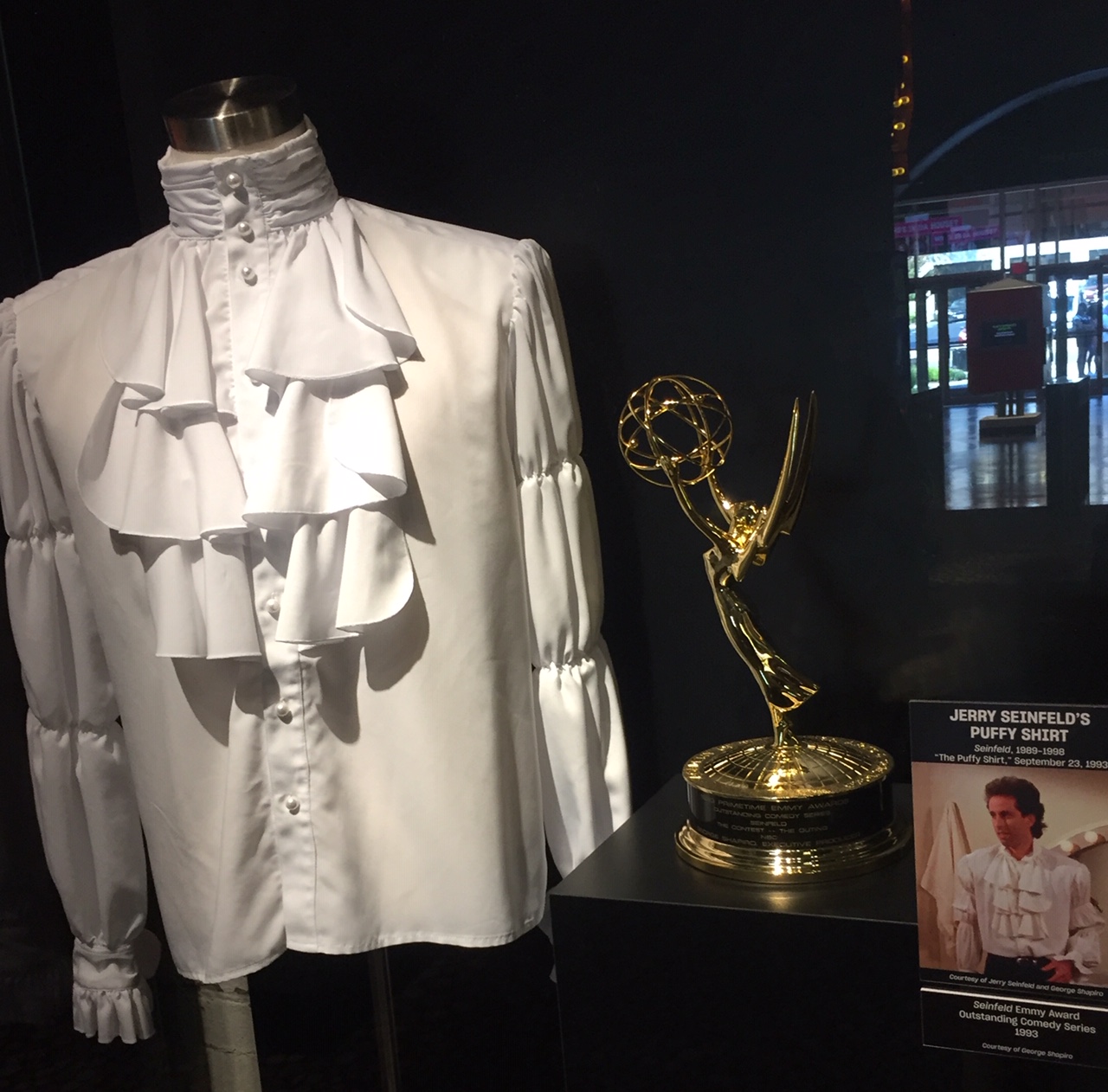
Exhibits run the gauntlet from Chaplin’s cane to Seinfeld’s puffy shirt, from vaudeville to an adults’ only Blue Room (it’s segregated downstairs), from holograms of modern comedians performing actual sets to YouTube videos of cats. There’s even a surprise bench with a hidden whoopee cushion.
Jamestown, the birthplace of Lucille Ball, also has an annual comedy festival, the Lucille Ball Desi Arnaz Museum and free showings of popular comedy films. Ghostbusters is on tap October 11.
Best local place to rest your weary,sore-from-laughing-body. Chautauqua Harbor Hotel, a 4-Diamond luxury hotel on the shores of historic Chautauqua Lake in Celoron, New York.
On September 9, the Green Bay Packers begin their 100th season of football.
But even more impressive is the Packs, who have won more titles than any other team, are the only publicly-owned, non-profit professional sports team in America.
Rather than kowtow to wealthy owners who move teams around like chess piece pawns, this storied franchise is owned by 361,060 community members, many who still show up to shovel snow off bleachers on game day.
Here are five other quintessential Green Bay things you will find nowhere else:
1. Public funds that actually benefit the public. In the last two decades alone, NFL teams have received more than $7 billion in public funds to build stadiums. That would make sense if, like in Green Bay, the actual profits benefit the community. But in 30 of the 31 NFL franchises, while taxpayers shoulder a great deal of the cost and debt, the profits go straight into the private pockets of the already-wealthy owners. In Green Bay, 100 percent of the profits are invested back in the team, the stadium and the community. Its new Titletown District, for example, offers free daily yoga, dance, games and other activities.
2. An ad free stadium. It’s estimated that the average American is exposed to 500 ads per day. At least they get a break at Lambeau Field. Unlike most professional stadiums and arenas that are festooned with everything from insurance ads to viagra commercials, Lambeau Field is mostly ad-free starting with its name.
Ergo, the Dallas Cowboys play at AT&T Stadium, the Minnesota Vikings at US Bank Stadium and Pittsburg Steelers not only strut their stuff at Heinz Field, but their Jumbotron features a pair of giant catsup bottles. Packers are able to honor their founder, Curly Lambeau, who started the franchise in 1919 with a handshake with an editor friend in the second-floor editorial room of the old Green Bay Press-Gazette.
3. Craft beer dominance. Anheuser-Busch is the NFL’s official beer sponsor, so while Lambeau Field, like its 30 stadium brethren, offers Bud Light (only difference, it’s cheaper here), it also sells a profusion of craft beers from Green Bay’s six craft breweries, the most per capita in any NFL town.
In fact, if you’re heading to Green Bay for the centennial celebration do not miss these oh-so-awesome craft beers: Green Chop Session IPA (Badger State Brewery), Wisco Disco (Stillmank Brewing Company), Packerland Pilsner (Hinterland Brewery), Dark Helmet Schwartzbier (Titletown Brewing Company), Platinum Coffee Blonde Stout (Copper State Brewery) and Midnight Confection (Noble Roots Brewing Company). 4. Behemoths riding tiny bikes. For 60 years, Packers players have ridden kids bicycles to and from training camp practices at Nitschke Field. Youngsters line up outside their locker room at Lambeau Field and hope their favorite players, already suited up for practice, will choose their bike, streamers and all, and maybe, if they’re really lucky, autograph their banana seat. Sometimes the bikes (and the riders) are so miniscule, players simply pick up both and carry them.
The heart-warming tradition began in 1958 when a couple brothers showed up to watch practice every day on their brand new Schwinn Jaguar bikes. One day, one of the brothers gathered up his nerve and offered a ride to John Symank, his favorite player. John accepted and the excited boy returned to the locker room to ferry as many players as possible back and forth.
5. An economy based on toilet paper. Green Bay, known as the Toilet Paper Capital of the World, didn’t invent TP, (you can thank the Chinese for that), but it was their Northern Paper Mills who, in 1901, issued the first ever “sanitary tissue.” Until then, “toilet paper” mainly amounted to corn cobs, grass, vinegar-soaked sponges or the Farmer’s Almanac that, at one time, was printed with a hole so it could hang off a nail or string in the outhouse.
By 1920, Northern Paper Mills was the world’s largest producer of bath tissue and between 1925 and 1935, toilet paper production doubled, staving off the worst of the Great Depression for Green Bay.
Not to mention that it paved the way for its prosperous citizens to create a fan-owned operation and an enduring relationship between team and community unlike any other in the NFL.
Last October, the US Fish and Wildlife Service rejected 25 separate petitions to award endangered species status to the Pacific walrus, the mole skink, Bicknell’s thrush and, well, 22 other threatened species that, according to scientists, are hanging on by their shrinking habitat.
Conservationists, concerned about environmental rollbacks, are frantically writing petitions, sending fundraising letters and giving speeches to convince a pro-development government that biodiversity protects against climate change and ensures a stable food supply.
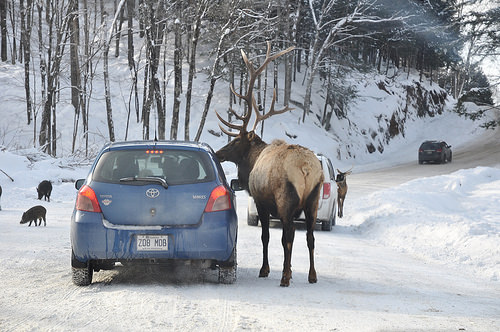
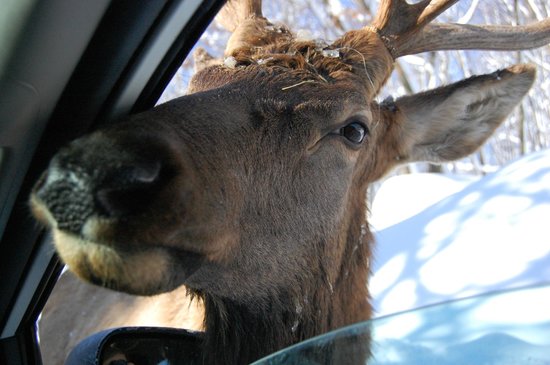
Perhaps a better tactic would be to take them to Parc Omega, a 2200-acre wildlife park in Montebello, Quebec. When you’re looking into the golf ball-sized eyeball of a wapiti or giggling from the tickling tongue of a white-tailed deer or standing less than six-feet away from a yawning wolf cub, you quickly come to realize that all of us are in this together.
That’s why famed zoologist Serge Lussier came out of retirement to run this park where humans have life-changing encounters with three kinds of wolves, polar foxes, bears and moose.
“It’s hard to find the will to protect anything you don’t really know,” Lussier says. “Everything changes when you come here, when you have intimate interactions with the natural world. I took this job because this is how we change the world.”
At Parc Omega, you can sleep with wolves, feed carrots to elk and experience special connections with buffalo, foxes and a moose/goat duo who are BFF’s.
The view alone is worth the admission price. Sitting on the less-visited side of the Laurentian Mountains, Parc Omega offers a 7.5-mile safari through the meadows, mountains, forests, boreal and other ecosystems of Canada. And while it fits the dictionary definition of a zoo (a collection of wild animals for study, conservation of display to the public), at Parc Omega, it’s the animals who wander freely and the homo sapiens who are caged inside cars.
The most unique feature is the one-on-one’s which you’re guaranteed to get if you take Lussier’s advice to “pay admission” with half a carrot
But why stop there? Most cars make the journey with a minimum of five pounds of the ubiquitous orange veggie. The animals literally greet you in your cars, even sticking their snouts inside to fully make your acquaintance. These remarkable encounters are fun for kids and adults alike.
I’ve run into Sylvester Stallone, Nicole Kidman, Michael Douglas and other celebs in my travels, but those chance meetings pale in comparison to sharing a carrot with wild boars, muskox, Alpine ibex and caribou.
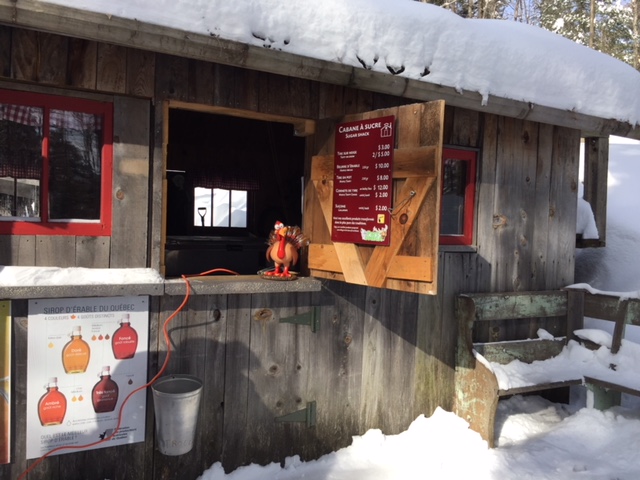
If you go from February to April, you can hike (it’s short) to the park’s cabane a sucre, an old-fashioned sugar shack. You can watch maples being tapped and sample maple taffy lollipops laid out on the snow.
Parc Omega also has an 1847 farmstead, a First Nations Trail (wishes made while walking under the wing of the beautifully carved Thunderbird are rumored to come true), a grilled cheese and hot chocolate-style restaurant, picnic sites and tipis, prospector tents and beautifully-carved log cabins for overnighters. The House on Stilts overlooks the black bear and timber wolf enclosures and has a balcony and palm-leaf roof.
Lussier is currently unrolling corporate events and bridal parties at the wolf overlook.
But if you simply want to channel Dr. Doolittle, get up close and personal (whether you talk or not is up to you) with animals of all kinds, here are a few useful tips:
1. Along with carrots, take paper towels. Animals drool. And expect your car to get muddy.
2. Keep your windows at half mast. Baby Ibex like to climb in cars.
3. Tune into the park’s FM radio stations that provide guidance and directions in both English and French.
4. Don’t skimp on time. Approximately halfway between Montreal and Ottawa, Parc Omega makes for a great day trip, but no matter how much time you allow, you’ll inevitably wish you had more.
Learn this word: sim. It’s pronounced “seem” and it means yes in Portuguese. It’s really all you need to know for your “vacation” to Fogo de Chão, the Brazilian churrasco that originated in the Serra Gaucho region of Brazil and has spread like an open fire pit across the United States.
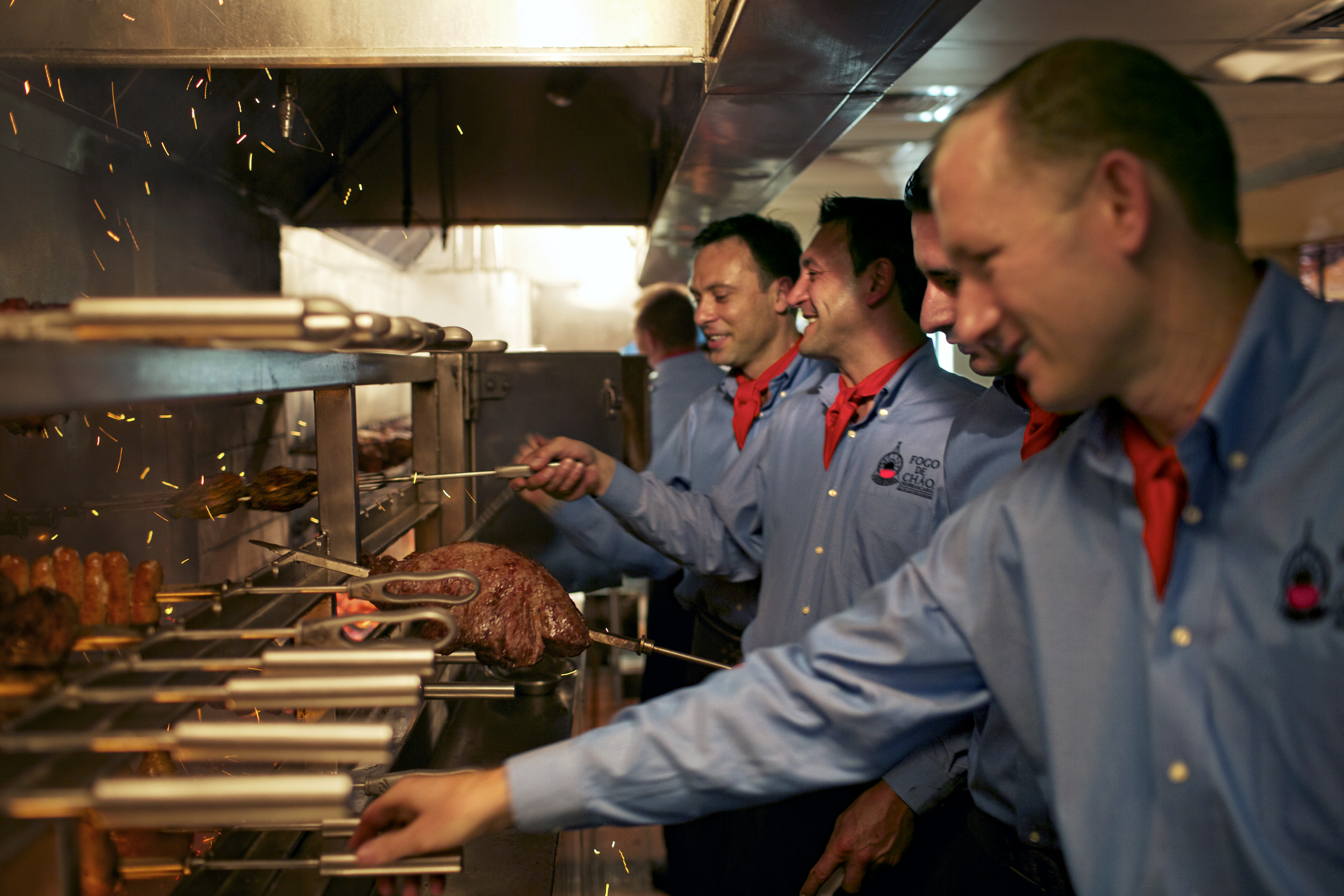
Sim, of course, is the proper response to the handsome gauchos who will visit your table with juicy cuts of 16 types of meat all roasted over open fire pits. If you find the word difficult to say (not because it’s a particularly complicated word, but because uttering any word when your mouth is watering and lusting like it inevitably will can be challenging), just nod.
The gaucho will proceed to carve off a slice of say parmesan-encrusted pork or medalhoes com bacon (yes, that’s bacon-wrapped steak) at your preferred temperature. A whole team of gauchos will relentlessly continue bringing new spits of sizzling, sexy seared cuts of heaven until you muster the willpower to flip over your coin from red to green, signaling “finito.”
The reason it’s so damned hard to practice restraint at Fogo de Chao is because the gauchos cooking the meat have done it for you. The beef, the lamb, the pork, the chicken is allowed to slowly cook, giving the natural flavors time to do their glorious thing.
While you’re at it, you’ll also want to say “sim” to Fogo de Chao’s Market Table, a stunning display of salads, veggies, charcuterie and cheese. It comes with every meal and, trust me, it will require great self-discipline NOT to fill up on it’s delectable offerings. It also allows your veggie/vegan friends to join in.
“Sim” comes in handy at the Feijoada bar that features rice, black beans and bread, and once again, when offered Brazil’s national drink, a Caiprihina made with muddled sugar and lime and cachaça, a rum-like liquor made with sugar cane.
A night (or even a lunch) at Fogo de Chao provides the perfect Brazilian getaway—no packing, no passports—just a dizzying display of all things Brazilian.
Venice’s Harry’s Bar may be in financial trouble, but Hotel Cipriani, now owned by Orient Express, is still serving bellinis and toasting with Kanye West and Kim Kardashian.
The one issue on which Democrats and Republicans can still agree.
Beverly Wilshire rings in Four Seasons’ 50th with one hell of a bargain.
After their surprise wedding last Friday, LeAnn Rimes and Eddie Cibrian celebrate with brunch at Moonshadows, the Malibu restaurant made infamous by Mel Gibson.
Kate Hudson and rocker Matthew Bellamy sing karaoke in Sao Paulo.
Beijing’s 798 Art District welcomes Yi House Hotel and Jessica Alba.
Baroque chateau in the Czech countryside one of first five-star hotels to win EU’s green Eco Label.
Brad, Angie and Jen have all sought refuge at this Chicago hotel.
Hottest ride in Chicago is Four Seasons’ six Radio Flyers.
Indie hit Trust started at Chicago’s Lookingglass Theatre thanks to Ross Geller–oops we mean, David Schwimmer.
R.I.P: Ever the star, Elizabeth Taylor knew how to pick a hotel suite.
Tommy Lee Jones touts the lures of San Antonio’s famous Paseo del Rio. (That’s River Walk, for you English speakers.)
Phil Collins may be retiring his drum sticks, but he’ll never forgo his passion for the San Antonio Alamo.
Where JLO and Marc Anthony go when they want downtime from three-year-old twins Max and Emme.
Skating with the Stars shows off cloche hats made from recycled sweaters. Love ya, baabaazuzu!!
Brad Womack and six remaining bachelorettes endure seismic eruptions in Costa Rica on Episode Six of “The Bachelor.
Jennifer Aniston, Owen Wilson, Cindy Crawford, Dennis Quaid turns heads at the Atlanta St. Regis.
If Twitter had been around in the early 1900’s, this luxury resort in Manitou Springs, Colorado is what J. Paul Getty and Thomas Edison would have tweeted about.
Forget the North Pole! Brad Pitt and Angelina Jolie celebrate Christmas in Namibia with old friends
Hip rocker Lenny Kravitz parks an Airstream trailer on a beach in the no-frills island of Eleuthera.
Just two months after their Indian wedding, Russell Brand and Katy Perry take a second honeymoon at Robert DeNiro’s Greenwich Hotel.
Search
Planet of the Apps
What? You haven't downloaded our amazingly cool I-Phone aps yet. Here's the skinny:
Camp Nashville is a zany scavenger hunt of Music City, complete with prizes. First to snap a photo at all the required (and fun) stops wins $1000 worth of Nashville prizes.
 September 10, 2010
 psgrout


















 While you’re at it, you’ll also want to say “sim” to Fogo de Chao’s Market Table, a stunning display of salads, veggies, charcuterie and cheese. It comes with every meal and, trust me, it will require great self-discipline NOT to fill up on it’s delectable offerings. It also allows your veggie/vegan friends to join in.

 George Clooney Slept Here