Stockholm’s Junibacken brings Pippi and pals to life
With only a week in a city as fascinating as Stockholm, you have to make choices. No easy task for a fangirl like me. There’s the ABBA museum with its legendary stage costume, gold records and flashing dance floors. There’s Steig Larrson tours of Sodermalm that visit the haunts of Mikael Blomqvist and dragon-tattoed Lisbeth Salander.
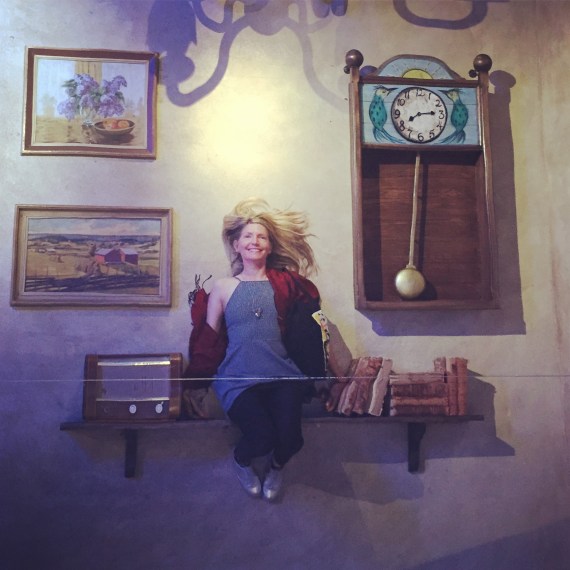
But the hero I most wanted to visit was the red-pigtailed, superhuman nine-year-old named Pippi Longstocking. As you may remember from Astrid Lindgren’s popular books, Pippi not only has a pet monkey named Mr. Nilsson, a suitcase full of gold coins and her very own lemonade tree, but she lives fearlessly by her own rules, relishes nonconformity and regularly sticks bullies and other unreasonable, condescending adults up in trees. That’s my kind of champion.
In the 11 books, Pippi’s colorful home resides in the middle of a forest, but lucky for millions of her fans, Villa Villekulla has been recreated right in the center of Stockholm. It’s on Djurgarden Island, just steps from the Vasa Museum, and easily accessible by bus and ferry. Although Junibacken, as it’s called, is technically a children’s museum, it is by far one of my favorite Stockholm attractions. The carrot cake alone is worth the visit.
The highlight of the museum is the Storybook Train that whisked us and other guests through miniature landscapes of Astrid Lindgren’s many books. In wooden houses with lights twinkling in the windows, we met Alfie Atkins, Festus and Mercury Max, we watched the Lionheart Brothers slay Katla, the dragon and, of course, communed with Pippi and her friends, Tommy and Annika.
The 15-minute adventure is available in 12 languages and, if you happen to know Swedish, you can hear Lindgren herself reading the narration, allegedly the last text she ever wrote. Junibacken also has Sweden’s largest children’s bookstore, a Children’s Theater that stages more than 1500 shows per year and a restaurant with stunning views of Stockholm’s Nybroviken Bay.
The most remarkable thing about the restaurant (at least if you compare it to the average junk food dispensed at most US children’s museums) is that its entire menu is made fresh from locally-sourced, certified organic produce. Whether you want lingonberry pancakes or classic meatballs, just-picked asparagus or autumn’s chanterelles, Junibacken’s restaurant prides itself in being sustainable, conscious and worthy of its young customers and their parents. There’s even dairy and gluten-free cakes options and a staff master baker who dishes up delectable bread, cakes and pastries.
So, Pippi, thanks again, for making my childhood and now even my adulthood so adventurous and memorable.
 November 8, 2017
 psgrout


 4. The compact rooms are more than offset by the cool factor. Peg walls offer hanging space for overalls and flannel shirts, had we brought any, next to, of course, curated city guides that detail vintage shops, trendy museums, pop-up restaurants and gypsy breweries. Beds come from Swedish designer Anders Hilding. Telephones have been replaced by flat screen TVs that allowed us to stream content from our phones. And, of course, there was a squirt gun in our bathroom and a comic book next to the bed. Not to mention that the efficient size enabled us and other forward-thinking guests to feel noble for not contributing to environmental waste.

 George Clooney Slept Here